Sleep Environment Guide

Understanding how light, sound, and comfort factors work together to shape a calmer, more restful bedroom atmosphere.

Overview

The Elements of a Restful Space

Your bedroom is more than a place to sleep — it is a sensory environment that shapes how you feel during evening hours. By understanding how light, sound, and physical comfort interact, you can make thoughtful adjustments that naturally support relaxation.

This guide explores each factor in depth and offers practical, non-technical approaches to creating a calmer atmosphere.

Light, Sound, and Comfort

Natural Light Cycles

Our bodies respond to light patterns throughout the day. Exposure to bright light during daytime and dimmer, warmer light in the evening helps maintain a natural rhythm. Consider letting in morning sunlight and gradually reducing artificial light as evening progresses.

Artificial Lighting Choices

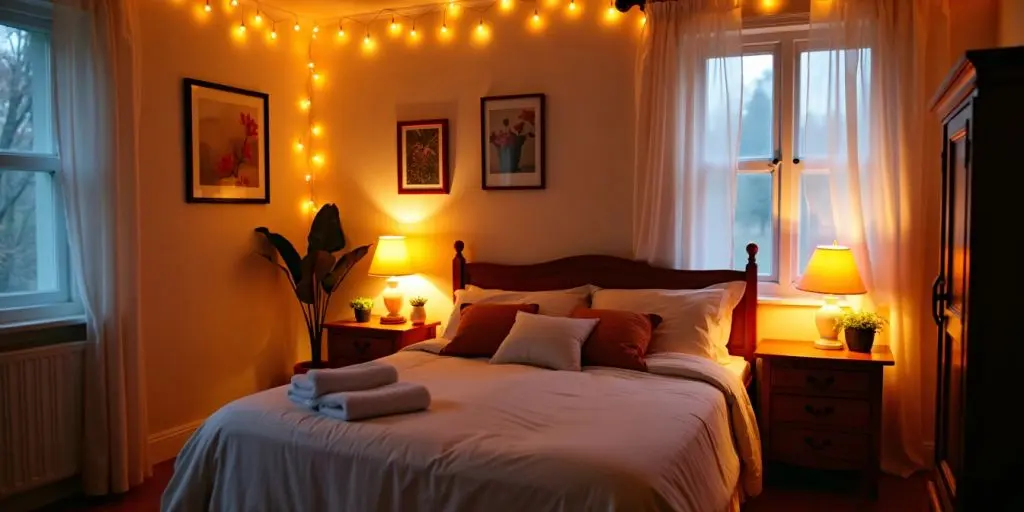
The color temperature and brightness of your evening lighting matters. Warm-toned bulbs (2700K or lower) create a softer atmosphere than cool white or blue-tinted light. Dimmer switches and table lamps offer more control than overhead fixtures.

Noise Reduction

Unexpected or loud noises can disrupt your evening calm. Thick curtains, soft furnishings, and rugs naturally absorb sound. Identifying and addressing common noise sources — appliances, street traffic, electronic devices — can make a noticeable difference.

Ambient Soundscapes

Gentle, consistent background sounds — soft rain, distant waves, or low instrumental music — can mask disruptive noise and create a soothing auditory backdrop. The key is choosing sounds that feel calming rather than engaging or stimulating.

Temperature and Air

Many people find that a slightly cool room — often around 16–19°C (60–67°F) — feels more comfortable for rest. Fresh air circulation, whether from a cracked window or a quiet fan, can also make the room feel more pleasant.

Bedding and Textiles

The textures and materials you surround yourself with affect physical comfort. Breathable, natural-fiber bedding, supportive pillows, and soft blankets contribute to a cocoon-like feeling that invites relaxation.

Quick Adjustments You Can Make

Screen Dimming

Enable night mode or warm display filters on your devices at least one hour before rest. Reducing screen brightness lessens the visual stimulation from electronic devices.

Window Treatment

Blackout curtains or lined drapes block external light sources like street lamps. They also add a layer of sound insulation, creating a quieter, darker space.

Declutter Your Space

A tidy bedroom feels calmer. Removing visual clutter and keeping surfaces clear creates a sense of spaciousness and reduces subconscious stimulation.

Understanding Light and Evening Mood

Light is one of the key environmental factors for evening relaxation. Throughout human history, the transition from daylight to darkness has often signaled the body to slow down and prepare for rest.

In modern environments, artificial lighting extends the day well into the night. While this is convenient, it can create a mismatch between our surroundings and our body's natural preferences. By being intentional about lighting choices — opting for warm tones, lower intensity, and indirect sources — you can recreate some of the gentle dimming that sunset naturally provides.

Consider using candles (safely placed), salt lamps, or low-wattage warm bulbs in your evening space. The goal is not to sit in darkness, but to gradually reduce the overall brightness and color intensity of your environment as bedtime approaches.
Continue with Evening Routines

Now that you understand the environmental factors, explore gentle habits that complement a calmer evening space.

Evening Routines